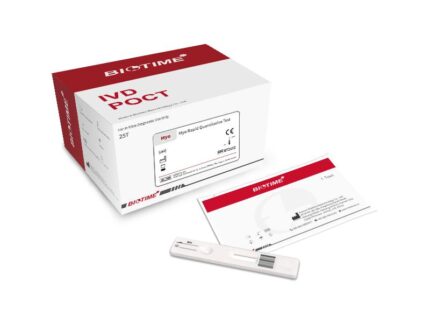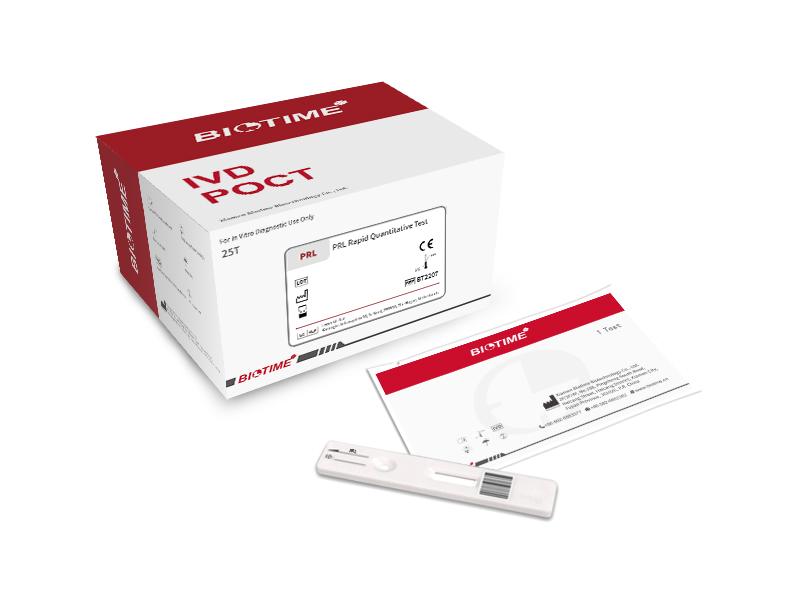
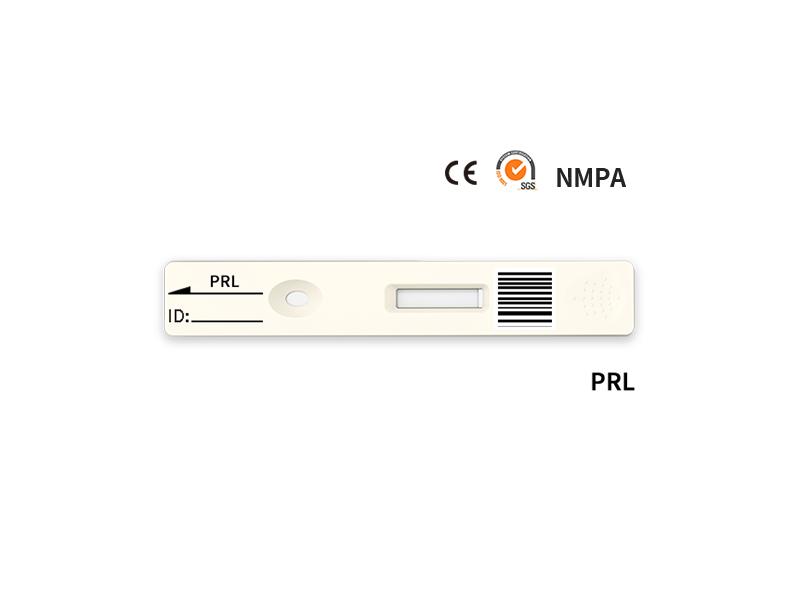
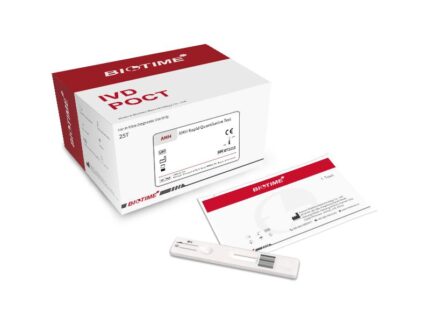

Introduction PRL is a single chain protein, secreted by antepituitary basophil, which consist of 199 amino acids with molecular weight of 23kDa. PRL has the function of promoting proliferation of mammary gland and lactation. The level of PRL rises up during pregnancy, reaches its peak when delivery, then declines after lactication. Lactication with newborn will bring about an increase of the concentration. The concentration of PRL in blood rises up when there is pituitary tumor occurring, such as prolactin-producing tumor, acromegalia, primary hypothyroidism, cancer, hypothalamus tumor[1-3].
Product Specification
| Specimen Types |
Serum |
| Specimen Capacity | 20μL |
| Reaction Time | 20 min |
| Sample Capacity | 80μL |
| Detection Range |
1-4000μ IU/mL |
Advantages ✔ Low sample requirements: direct testing of trace serum without dilution ✔ As one of the evaluation indicators of adenohypophyseal function, it is often combined with FSH/LH to detect sexual function Clinical Significance ✔ Contribute to the diagnosis of hypothalamic pituitary dysfunction ✔ Auxiliary diagnosis of primary hypothyroidism ✔ The development of sexual signs can be assessed
Application
Laboratory, Outpatient, Gynecology, Endocrinology, Reproductive Center